
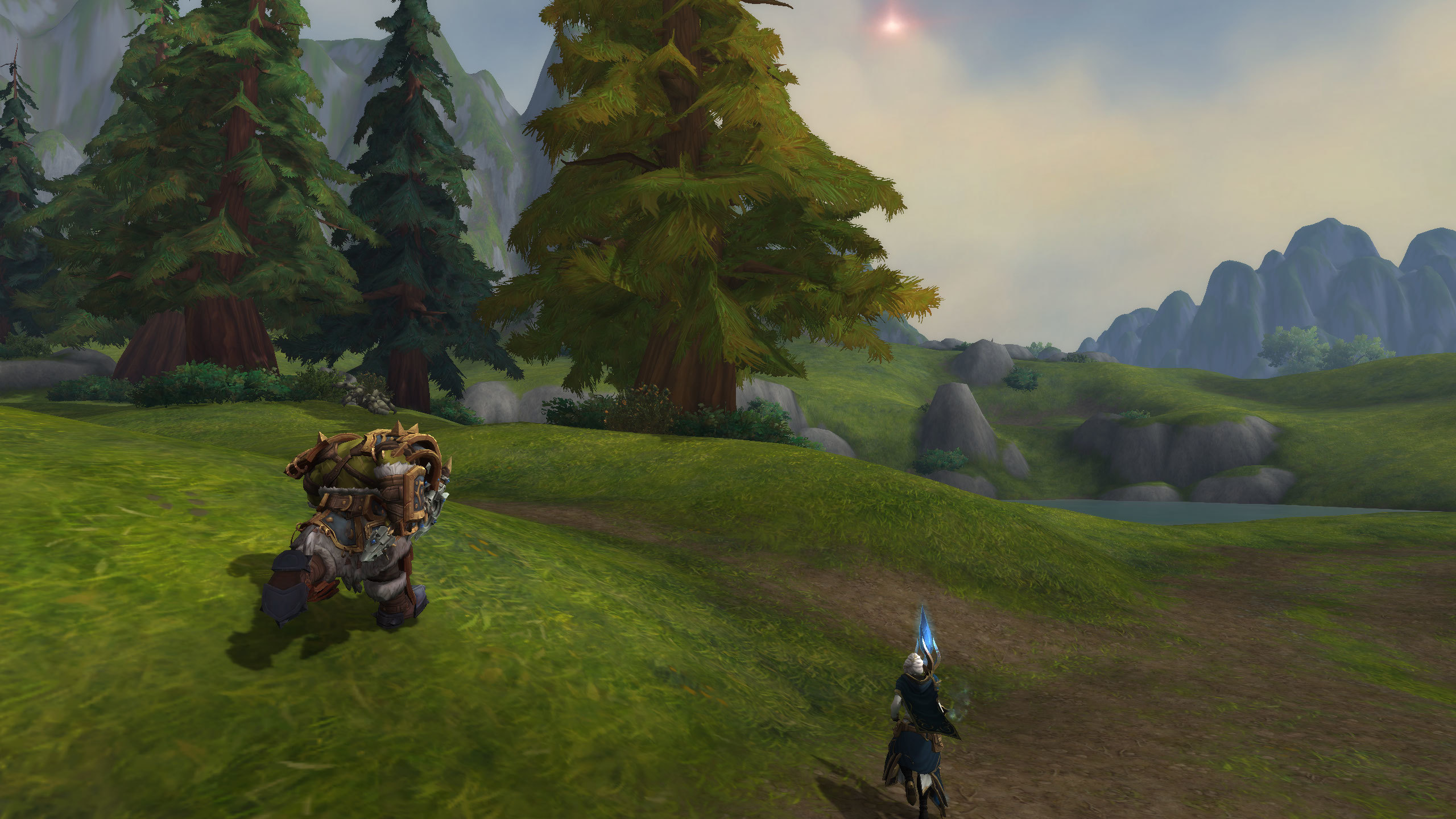
The Alliance stands as a coalition defined by shared strategic objectives yet simultaneously fractured by deep internal political and ethnic tensions. This report analyzes the evolution of Alliance leadership, contrasting the decisive, militaristic command of King Varian Wrynn with the diplomatic, peace oriented tenure of King Anduin Wrynn. Furthermore, we examine the persistent internal strife among core constituent groups, specifically the Human Kingdoms and the Night Elves, and how these friction points impact overall coalition stability and strategic efficacy.
This report isolates the critical factors governing Alliance unity and policy implementation across recent history.
Evaluation Criteria: Strategic Cohesion, Internal Factionalism, and External Posture
Alliance leadership periods are evaluated based on three weighted criteria. First, Strategic Cohesion measures the efficiency and unanimity of military and political decision making, prioritizing rapid response capabilities. Second, Internal Factionalism assesses the level of political discord and ethnic tension between major Alliance groups, such as Night Elves and Human Kingdoms. High factionalism scores depress overall operational effectiveness. Third, External Posture quantifies the overall approach to inter faction relations, ranging from Varian’s aggressive parity doctrine to Anduin’s diplomatic engagement model.
The Varian Wrynn Era: Decisive Militarism and Managed Factionalism
King Varian Wrynn’s leadership was characterized by a high Strategic Cohesion score, driven by his personal authority and decisive military focus. His External Posture was primarily one of aggressive parity, ensuring the Horde was met with equal force. While Internal Factionalism remained a latent issue, particularly following the resurgence of the Gilnean threat and Night Elf territorial disputes, Varian effectively contained open conflict through strength of will. His legacy is one of successful wartime mobilization and centralized command.
The Anduin Wrynn Transition: Diplomacy and Stressed Cohesion
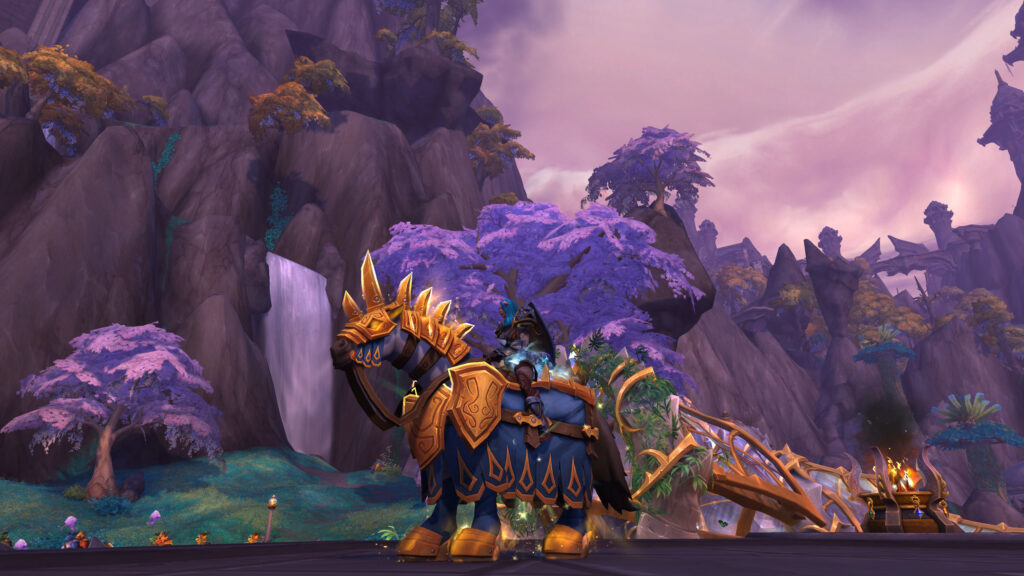
King Anduin Wrynn introduced a marked shift toward a diplomatic External Posture, prioritizing de escalation and peace initiatives. While ethically sound, this approach initially reduced Strategic Cohesion, as more aggressive components of the Alliance military leadership resisted his conciliatory efforts. The pressure of major conflicts, particularly the events surrounding Teldrassil, severely exacerbated Internal Factionalism, placing immense strain on the Night Elf populace and challenging the fundamental loyalty of their leadership to the broader Alliance mandate. Anduin’s strength lies in moral clarity, but it often came at the cost of strategic unity.
Internal Strife: Human Kingdoms and Night Elf Autonomy
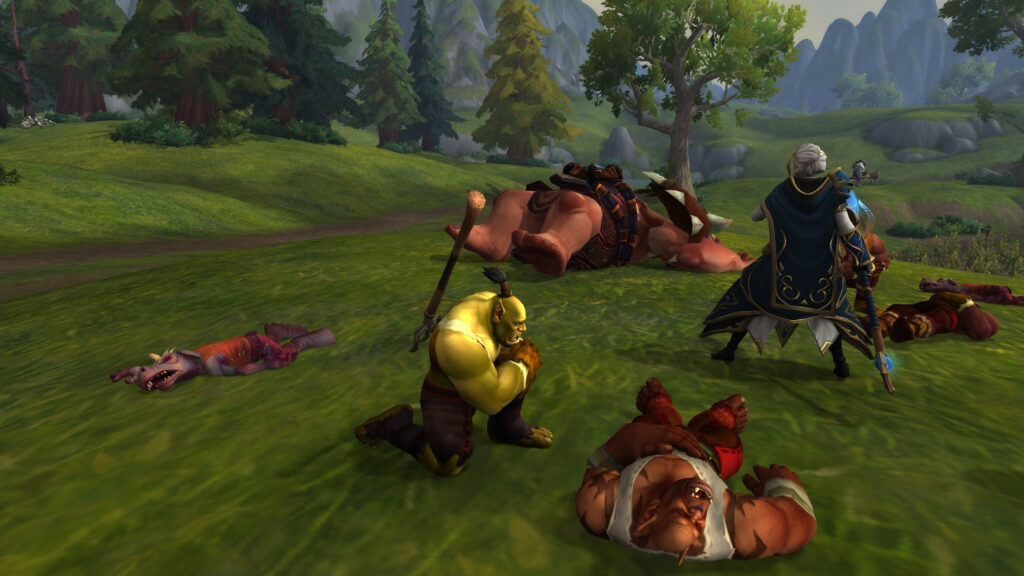
The inherent tension between the Human Kingdoms’ pragmatic, industrial centralization and the Night Elves’ ancient, isolationist autonomy represents the primary source of Internal Factionalism. The Night Elves demand decisive retribution for catastrophic losses, often viewing the Human Kingdoms’ diplomatic approaches as insufficient and politically motivated. This divergence creates predictable operational friction, especially when the Alliance High Command attempts to implement unified Strategic Cohesion across culturally disparate forces.
Key Strategic and Political Impact Points
The following list highlights the crucial events that influenced Alliance leadership evolution:
- **Wrathgate Catastrophe:** This event hardened Varian’s External Posture toward the Horde, reinforcing a doctrine of necessary aggression and distrust.
- **Fall of Theramore:** The devastating attack cemented the need for Strategic Cohesion, overriding minor Internal Factionalism concerns through shared trauma.
- **Teldrassil’s Destruction:** This represented the peak stress test for Alliance unity, dramatically escalating Internal Factionalism, particularly the relationship between the Night Elves and the centralized military command.
- **Shadowlands Intervention:** Anduin’s capture and eventual return introduced a leadership void that was temporarily filled by the Alliance Council of Leaders, testing the feasibility of decentralized command.
- **Current Council of Leaders:** The transition away from the singular authority of the High King models aims to reduce leadership instability and manage Internal Factionalism through shared, consensus based governance.
Conclusion: Balancing Morality and Cohesion
Alliance leadership cycles reflect a continuous oscillation between the need for aggressive, Varian-style Strategic Cohesion during war and the desire for Anduin-style diplomatic External Posture during peace. The central challenge remains the management of Internal Factionalism, particularly the deeply felt grievances of the Night Elves. The future success of the Alliance depends on the ability of the new Council of Leaders to integrate diverse political priorities while maintaining the necessary Strategic Cohesion to respond to existential threats.