

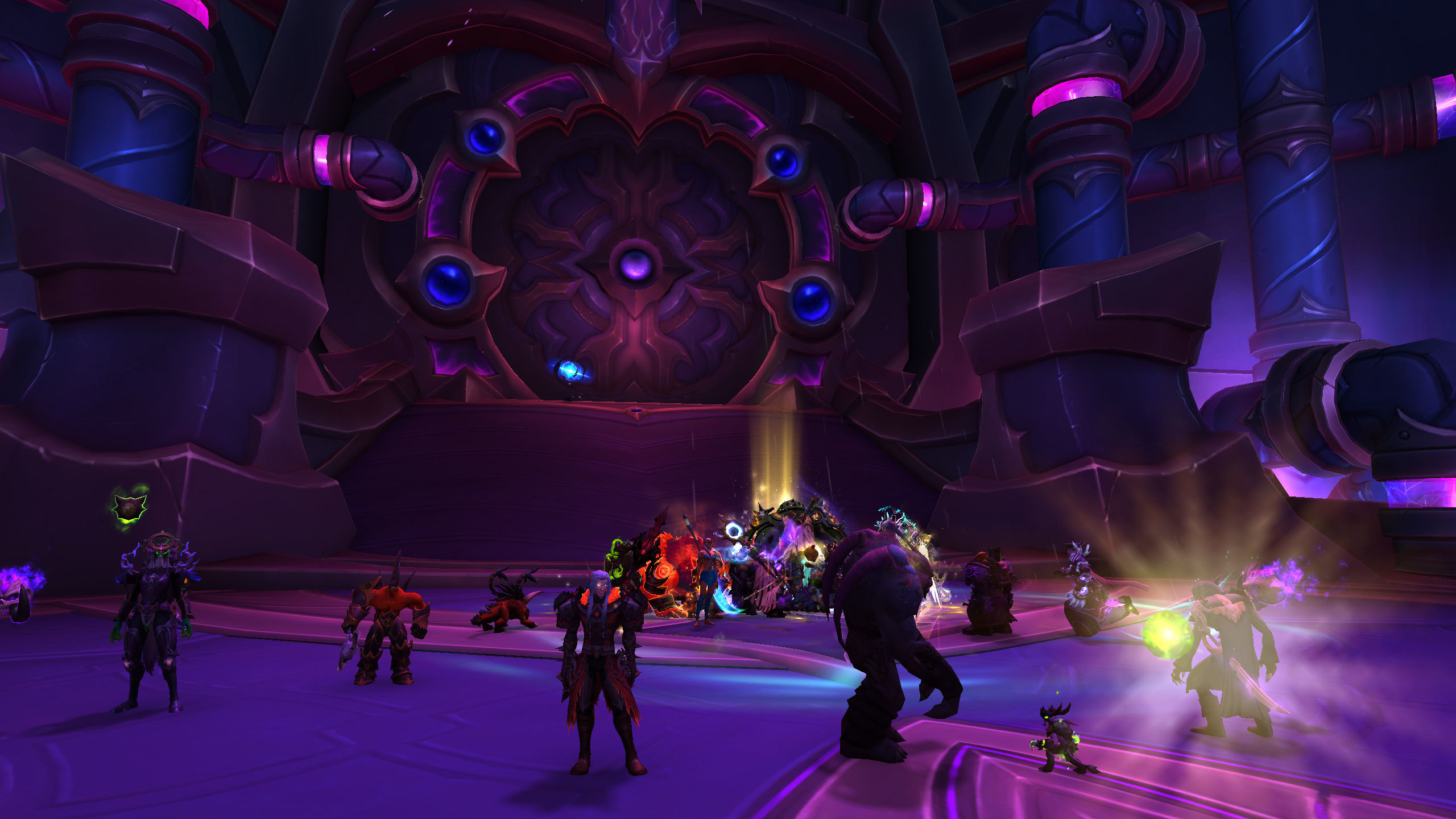
For years, World of Warcraft’s raiding scene existed behind closed guild doors—intense, organized, and invisible to the wider audience. But over time, high-end PvE content evolved into one of gaming’s most electrifying spectator sports. The Race to World First transformed raids from cooperative challenges into global events, watched by millions and analyzed like professional competition. PvE wasn’t just teamwork anymore—it was performance.
This article explores how Blizzard’s raid design, community ambition, and streaming culture turned raiding into one of esports’ most unique spectacles.
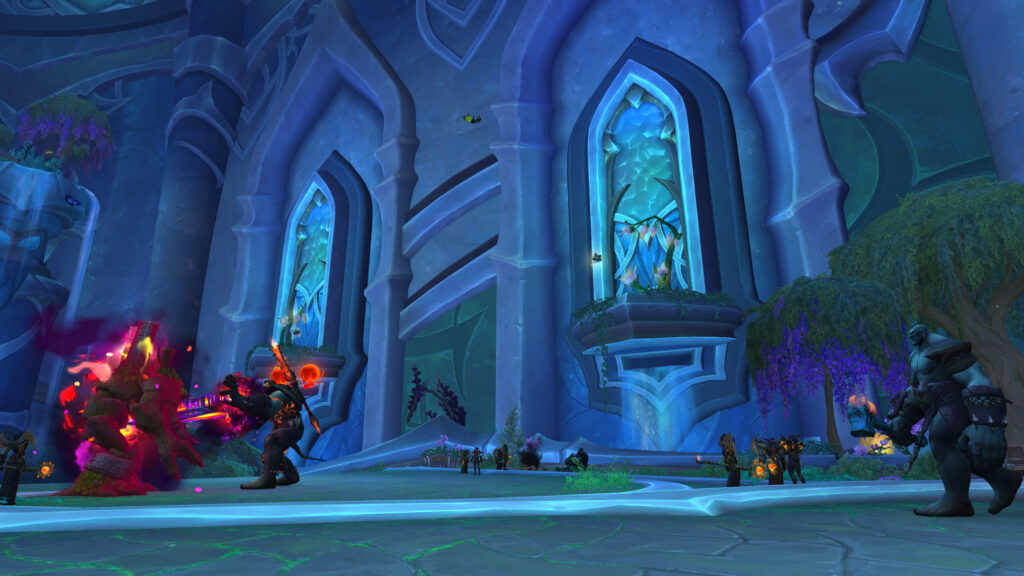
The Birth of Competitive PvE
Raiding has always tested coordination, endurance, and leadership. In the early days, guilds like Nihilum and Ensidia competed in silence, racing privately for world-first kills. Their achievements spread through screenshots and server whispers. As the game grew, so did curiosity. Players wanted to watch the struggle unfold live. When streaming platforms emerged, the invisible competition became public—and a new esports format was born.
The Race to World First began not with sponsorships, but with pride.
Designing for Drama
Modern raid encounters are built for spectacle. Multi-phase bosses, tight enrage timers, and world-first lockouts create tension as gripping as any traditional sport. Each pull is a rehearsal in endurance and precision, each wipe a heartbreak. Blizzard’s cinematic environments and mechanical complexity make raids visual experiences, not just mechanical tests. Every attempt feels like a battle against both the boss and exhaustion.
In WoW, victory isn’t guaranteed—it’s earned, live, under pressure.
The Rise of the Race to World First
When guilds began streaming their progress during Battle for Azeroth, the community’s response was explosive. Thousands watched Method, Limit, and Echo push themselves for days without rest. What had been a private grind turned into theater. Commentators, analysts, and hosts transformed marathon gaming into a polished event. Sponsors soon followed, and Blizzard embraced the spectacle, supporting the race as a semi-official celebration of skill.
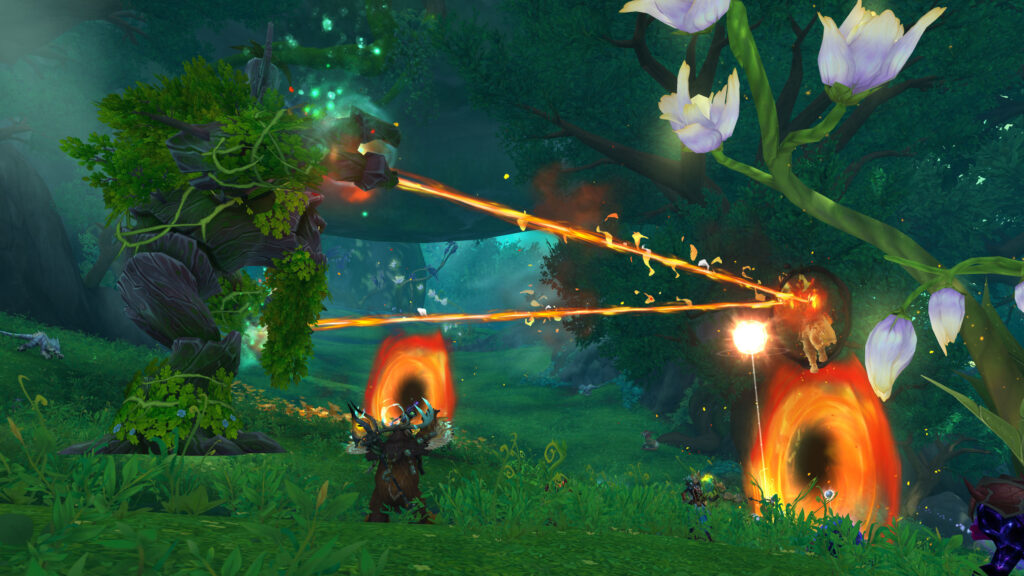
The competition wasn’t about money—it was about mastery made visible.
| Expansion | Raid Tier | World First Winner | Notable Innovation |
|---|---|---|---|
| Legion | Tomb of Sargeras | Method | First large-scale stream coverage of progression |
| Battle for Azeroth | Uldir | Method | Birth of the modern Race to World First format |
| Shadowlands | Sanctum of Domination | Echo | Split-raiding optimization and broadcast team expansion |
| Dragonflight | Aberrus | Echo | Hybrid race with region-wide audience participation |
| The War Within | TBA | Pending | Predicted global co-stream collaboration |
The Role of Strategy and Data
What separates raiding from other esports is its analytical depth. Success depends on thousands of data points—damage logs, cooldown planning, and positional mapping. Guilds use spreadsheets and custom WeakAuras like playbooks, rehearsing every second of combat. The best teams combine math with intuition, turning chaos into choreography. Watching them is like watching an orchestra of precision under pressure.
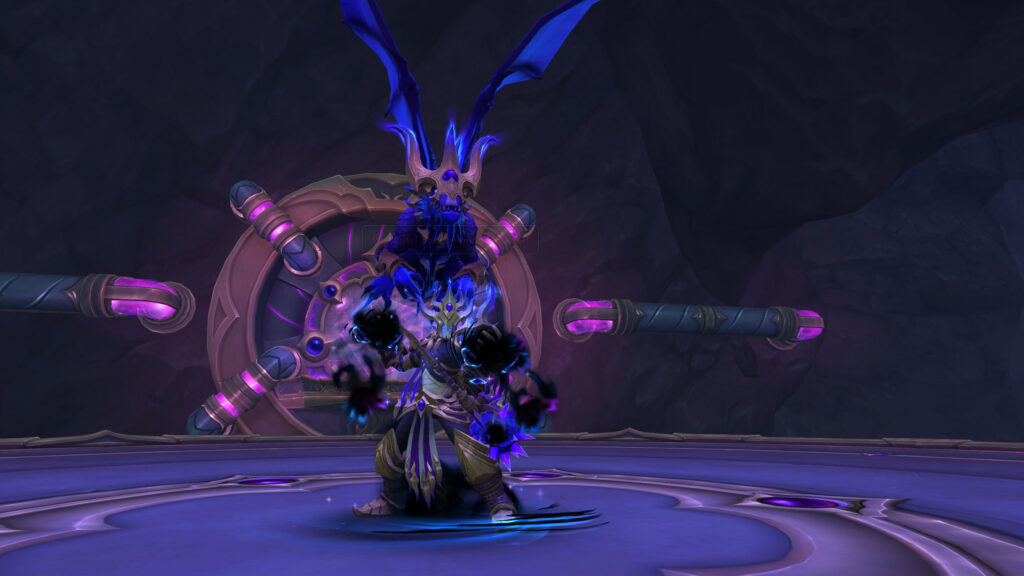
Every pull is a lesson in discipline disguised as chaos.
Streaming Culture and Personality
Raiding became entertainment through human connection. Streamers and raid leaders share exhaustion, frustration, and triumph in real time. Viewers witness genuine emotion—cheers at a 0.3% wipe, gasps when victory finally arrives. Personalities like Sco and Max turned guild leadership into storytelling, transforming raids into serialized dramas that fans follow expansion after expansion. It’s competition, but with humanity at its core.
Raiding isn’t scripted—it’s unscripted excellence.
Blizzard’s Subtle Support
While Blizzard doesn’t officially host the Race to World First, its encounter design now subtly accommodates the format. Time-gated releases, global synchronization, and spectator-friendly mechanics ensure fairness and flow. The studio’s restraint allows community ownership while maintaining authenticity. The result is a rare hybrid—an esport not manufactured, but evolved organically through passion.
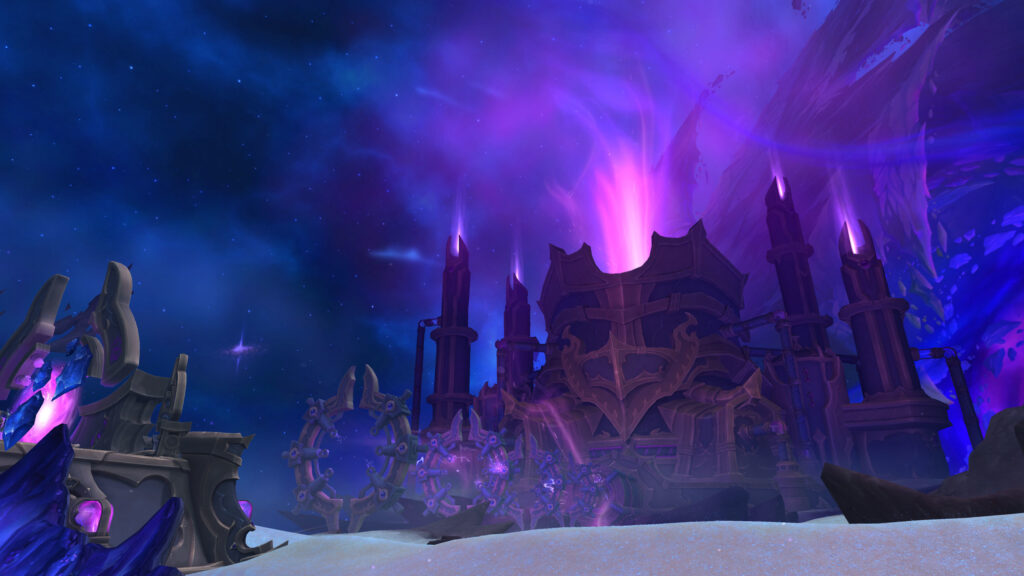
The community built it; Blizzard merely kept the stage alive.
Why PvE Works as Esports
Unlike PvP, where competition is direct, PvE esports thrive on endurance, teamwork, and adaptability. The spectacle lies in shared struggle—humans versus impossibility. Watching the best players break down an encounter’s code in real time is as thrilling as any duel. It’s intellectual sport fused with emotional resilience, played not for domination, but for discovery.
In WoW, the boss is the opponent—and the world is the arena.
Conclusion
World of Warcraft’s PvE raids became the ultimate esports spectacle because they represent the essence of mastery: strategy, endurance, and unity under pressure. What began as quiet competition evolved into global theater—one where community, creativity, and precision merge. The Race to World First proves that esports don’t need violence to be thrilling; they need dedication that borders on obsession. In the end, every wipe is part of the story, and every victory, a collective triumph.
Because in Azeroth, the greatest battles aren’t fought against players—they’re fought against perfection itself.
Home